
Email marketing works best when you really know your customers. Data driven email marketing is all about using real information to understand what people like, what they buy, and what they want to see. When you send emails based on that data, they feel more personal and get better results.
Instead of guessing what might work, you use facts to guide your emails. It helps you connect with customers, build trust, and sell more online. Let’sl talk about what data driven email marketing is, why it works, and how you can start using it for your business.
What is Data Driven Email Marketing?
Data driven email marketing means using customer insights and analytics to send targeted, personalised emails that increase engagement and sales. Instead of sending the same email to everyone, you use real-time data such as purchase history, browsing behaviour, and preferences to craft messages that people actually want to read.
It’s about sending the right message to the right person at the right time. This approach turns ordinary email campaigns into consistent sales drivers for your business.
Why Data Driven Email Marketing Works
Email marketing is already one of the most effective ways to reach customers, but adding data makes it even stronger. According to HubSpot, personalised and segmented emails can bring in up to 58% more revenue than generic campaigns.
Why It Delivers Great Results
- Personalisation boosts engagement. Data helps you write subject lines, product recommendations, and offers that feel personal and relevant.
- Automation saves time. You can automatically send emails when someone abandons their cart or makes a purchase.
- Better targeting. By analysing patterns, you can predict what a customer might buy next.
- Improved tracking. Every email can be measured and refined using analytics to see what’s working best.
With data driven email marketing, your email list can bring you more sales instead of just being a list of people’s emails.
How to Use Customer Data for Better Email Campaigns
Step 1: Collect the Right Data
Start by gathering useful information about your customers, such as:
- Purchase history
- Browsing behaviour
- Email open and click rates
- Cart abandonment actions
Tools like Google Analytics, Klaviyo, and your e-commerce platform (like Magento or Shopify) make this easy to track.
Step 2: Segment Your Audience
Once you have data, group customers based on shared behaviours or traits. For example:
- New subscribers: Send welcome emails with discounts or guides.
- Repeat buyers: Offer loyalty rewards or suggest related products.
- Inactive customers: Send win-back campaigns with personal offers.
Segmentation makes your emails more relevant, which means more engagement and more sales.
Step 3: Personalise Your Content
Use the data to make each email feel unique. You can:
- Recommend products based on past purchases
- Send birthday or anniversary discounts
- Use the customer’s name in subject lines and headings
These small touches help your emails feel more human and less like mass marketing.
Step 4: Automate for Consistency
Automation helps you stay in touch without having to send every email manually. You can set up:
- Abandoned cart reminders to bring people back
- Post-purchase emails to thank customers or suggest related items
- Product review requests to build trust and engagement
Automation keeps your brand top of mind while saving time and effort.
Key Metrics to Track for Data Driven Email Marketing Success
To make your email marketing truly data driven, you need to track performance and learn from it. Here are the key metrics to watch:
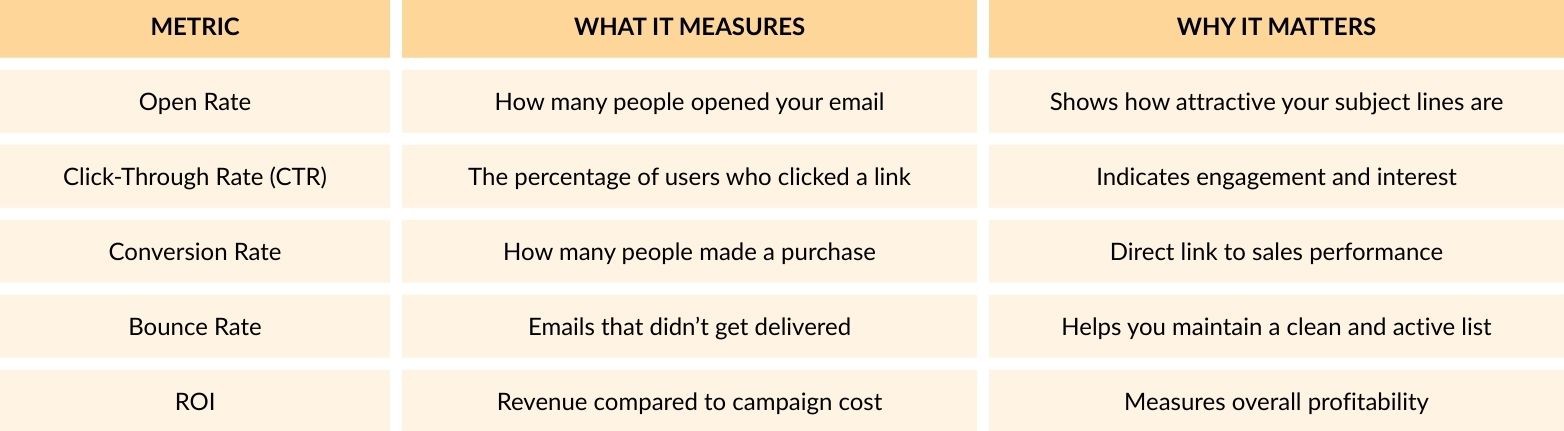
When you check these numbers often, you can see what works, improve what doesn’t, and help your emails perform better.
Real Examples of Brands Using Data Driven Email Marketing
ASOS
ASOS is a great example of how data driven email marketing can boost sales and customer loyalty. They use customer data to send product recommendations based on what people have bought or looked at before. If an item is back in stock or on sale, ASOS lets customers know right away through personalised emails. This not only increases repeat purchases but also keeps customers coming back to see what’s new.
Netflix
Netflix uses data in a very smart way. Every time a user watches a show or movie, Netflix tracks their preferences and uses that data to send personalised email suggestions. These emails remind users about new releases or similar shows they might like. It’s a simple yet powerful way to keep people engaged and subscribed month after month.
Amazon
Amazon has turned email automation into an art. Their emails are often triggered by user actions, such as adding something to a cart and leaving it there. They also recommend products based on browsing or buying behaviour, which makes shopping easier for customers. This level of personalisation helps Amazon stay one step ahead and keeps sales flowing consistently.
These examples show how big brands use data to understand their customers better. When creativity and customer insights come together, even simple emails can become strong tools for growing sales and loyalty.
Conclusion
Data driven email marketing turns customer information into meaningful and personal communication that drives real sales growth. When emails match what people actually like and do, engagement rises, loyalty strengthens, and conversions increase. Automation keeps your brand visible while saving time and making every message count.
Start using data driven email marketing with 5MS and see how simple data can lead to stronger connections, happier customers, and more sales for your online store.
Magento Solutions for Enhanced Online Performance
- By 5ms