

Magento on a budget is something most ecommerce businesses experience at some stage. Sales do not always grow in a straight line. Costs change, marketing spend increases and development work slows down. When budgets tighten, Magento stores often fall into one of two traps. They either stop fixing important problems or spend money on changes that do not help sales.
This guide explains how to avoid both and focus on work that actually matters.
What “Magento on a Budget” Really Means
Magento on a budget means making careful choices with limited spend.
It does not mean:
- Ignoring technical problems
- Letting the site fall behind on updates
- Avoiding professional support
It means spending money where it protects revenue, customers, and store stability.
Many Magento stores waste budget because they focus on surface-level changes. Things like homepage redesigns or new banners feel productive but often do not solve real problems. When funds are limited, every task should have a clear reason.
Why Priorities Matter More When Money Is Tight

When budgets are healthy, mistakes can be absorbed. When budgets are tight, small issues become expensive.
Problems that often go unnoticed:
- Pages that load slowly on mobile
- Checkout steps that fail silently
- Security updates that get skipped
- SEO settings that block indexing
Each of these issues reduces sales without obvious warnings. Magento on a budget works best when these hidden problems are fixed before anything else.
Magento on a Budget: Priority Order
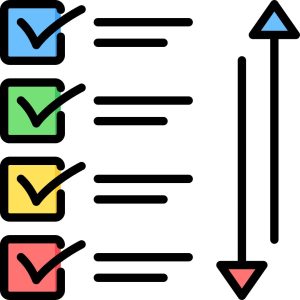
When deciding what to fix first, this order works well for most stores:
- Performance and speed
- Hosting and server stability
- Security patches and access control
- Checkout and payments
- Product and category setup
- Core SEO configuration
- Extensions and integrations
Design changes and feature upgrades should only come after these are stable.
Site Speed and Performance
Why speed is always the first priority
Speed affects how customers behave.
Slow Magento stores:
- Lose users quickly
- Convert fewer visitors
- Perform worse in search results
Even small delays add friction. Many users leave without ever reaching checkout. For Magento on a budget, speed fixes often deliver the biggest improvement for the lowest cost.
Common Magento performance problems
Front-end issues
- Images that are too large
- JavaScript loading on every page
- Unused theme elements
Back-end issues
- Full page cache not enabled
- Poor database indexing
- Extensions running unnecessary queries
These problems often build up over time as the store grows.
What to fix first
Start with tasks that give quick gains:
- Check full page cache is working properly
- Compress and resize images
- Remove unused or duplicate extensions
- Clean up old theme code
Hosting and Server Setup
Why hosting affects Magento budgets
Magento depends heavily on server quality.
Poor hosting leads to:
- Random slowdowns
- Checkout timeouts
- Admin panel delays
- Higher support costs
Many store owners try to fix speed issues in code when the real issue is the server.
Hosting areas to review
Server configuration
- PHP version compatibility
- Memory limits
- CPU usage
- Disk performance
Stability checks
- Traffic spikes handling
- Backup reliability
- Error logging
Improving hosting setup often costs less than repeated development fixes.
Security and Magento Updates
Why security cannot be delayed
Security problems rarely show warning signs.
A breach can lead to:
- Site downtime
- Lost customer trust
- Payment provider issues
- Costly clean-up work
Magento on a budget still requires proper security maintenance.
Security basics to prioritise
Magento updates
- Apply official security patches
- Stay on supported Magento versions
Admin access
- Remove unused admin accounts
- Limit admin permissions
- Enable two-step login
Extensions
- Remove abandoned extensions
- Update critical plugins
Checkout and Payment Problems
Why checkout issues hurt revenue
Checkout problems block customers who are ready to buy.
These issues often include:
- Slow loading checkout pages
- Payment methods failing without clear errors
- Confusing form layouts
- Mobile checkout bugs
Many stores lose sales without realising the cause.
What to check and fix
Payment methods
- Test each payment weekly
- Check logs for failed transactions
- Confirm third-party services are up to date
Checkout flow
- Reduce unnecessary fields
- Keep steps clear and simple
- Test checkout on different devices
Fixing checkout usually costs less than driving more traffic.
Product and Category Page Issues
Why these pages matter so much
Product and category pages drive:
- Search visibility
- Customer confidence
- Conversion rates
Problems here affect both SEO and sales at the same time.
Common issues to fix
Content problems
- Duplicate product descriptions
- Missing key product details
- Thin category text
Technical problems
- Broken filters
- Incorrect canonical tags
- Indexing issues
Improving these pages supports long-term growth without large spend.
Extensions to Keep, Remove, or Replace
Why extension control matters
Each extension adds:
- Load to the site
- Risk of conflicts
- Ongoing maintenance work
Magento on a budget works best with a lean extension setup.
How to review extensions
Ask these questions:
- Does this extension support sales?
- Does it help fulfillment or customer support?
- Is it actively maintained?
Extensions usually worth keeping
- Payment and fraud tools
- Shipping and order handling
- Search and filtering
- Email and customer communication
Anything else should be reviewed carefully.
SEO Improvements on a Small Budget
Can SEO improve without heavy spend?
Yes. Many Magento SEO improvements cost nothing.
Magento includes strong SEO tools that are often misused or ignored.
SEO tasks to focus on
Technical setup
- Fix duplicate meta titles
- Check indexing settings
- Use canonical URLs correctly
Content improvements
- Improve product descriptions
- Add internal links
- Write clear category copy
Search tools
- Submit XML sitemaps
- Monitor Google Search Console
For reliable search and ecommerce data, Statista is a useful source
Magento Tasks That Can Wait
Changes that are not urgent
When budgets are tight, these tasks are usually safe to delay:
- Full theme redesigns
- Advanced personalisation tools
- Animation-heavy UX changes
- Experimental marketing integrations
Delaying these helps protect the budget for essential work.
Final Summary
Magento on a budget works when priorities are clear and focused.
Fix these first:
- Speed and performance
- Hosting stability
- Security updates
- Checkout and payments
- Core SEO setup
These areas protect revenue and customer trust. Once they are stable, design changes and new features become safer and more effective investments.