
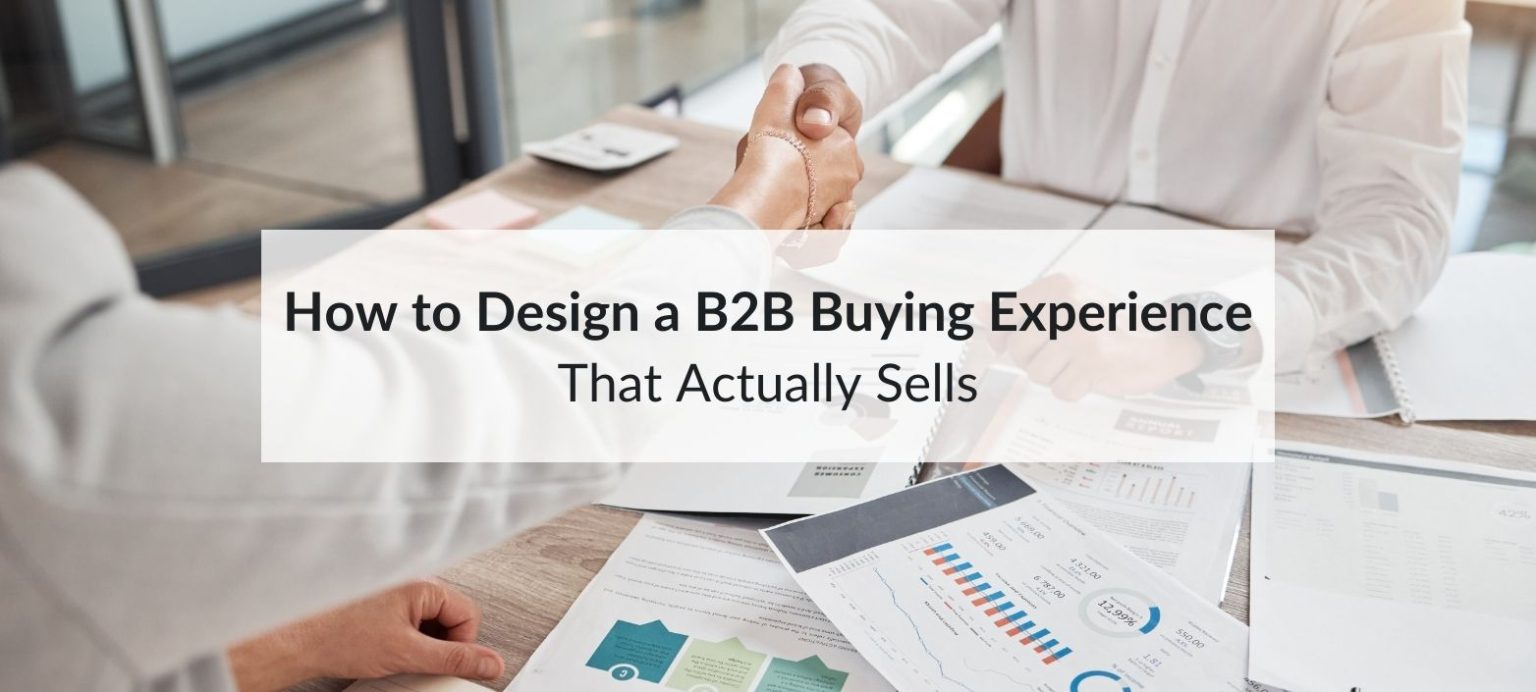
A successful B2B buying experience is one that leads a potential customer smoothly from their first interaction with your business to the final purchase. Buyers often prefer to complete their research independently before making contact with a sales representative. However, the buying journey isn’t always easy, and it’s up to businesses to design an experience that makes the process as straightforward and helpful as possible.
This guide will explore how you can build a B2B buying experience that not only attracts potential buyers but also converts them into loyal customers.
What Is a B2B Buying Experience?
The B2B buying experience refers to the entire process a business buyer goes through when interacting with a company before making a purchase. This includes everything from discovering your product or service, to evaluating its features and pricing, to eventually making the decision to buy. A B2B buying experience includes every interaction a buyer has with your brand, from online research and content engagement to direct conversations with salespeople. It goes beyond your website and covers all touchpoints throughout the buyer’s journey.
For a B2B buying experience to be successful, it must address the unique needs of business buyers, provide clear information, and guide prospects through each stage of their buying journey. A well-designed buying experience will simplify the process, build trust, and reduce friction, ultimately leading to higher conversion rates.
Why B2B Buying Is Different from B2C
Multiple Decision-Makers Involved
Unlike B2C (business-to-consumer) buying, where a single individual typically makes the purchase decision, B2B buying often involves multiple stakeholders. These can include procurement teams, managers, technical experts, and even C-level executives, each with different concerns and decision-making criteria. It’s important to cater to these diverse needs and provide content that speaks to each group, helping them make informed decisions.
Buyers Are Self-Sufficient
Research shows that up to 70% of the B2B buying journey happens before a buyer even contacts a sales representative. B2B buyers want to conduct their research independently, using online resources like case studies, whitepapers, and product pages to gather information. This means that businesses need to ensure their content is easily accessible and answers key questions, without requiring a conversation to get started.
Risk Aversion
In B2B purchases, the stakes are often much higher than in B2C transactions. A wrong purchase can result in significant financial loss, operational disruptions, or damage to a company’s reputation. Because of this, B2B buyers are more cautious and require clear proof that a product or service will meet their needs and deliver the promised benefits.
Non-Linear Journey
The B2B buying process isn’t as straightforward as it once was. Today’s buyers often jump between stages of their buying journey, going back to the research phase after they’ve been evaluating options or consulting with others in their company. Businesses need to design a buying experience that is flexible and can accommodate these non-linear buyer behaviours.
Key Principles for a Successful B2B Buying Experience
1. Understand the Buyer’s Goals and Needs
The first step in designing a B2B buying experience is understanding what your buyers want. This means conducting research to understand their challenges, goals, and priorities. Buyer personas are helpful, but real insights come from talking to your customers and learning what drives their decisions. Your website, content, and product offerings should then be tailored to meet these needs at every stage of the buying journey.
2. Reduce Friction with Clear, Easy Navigation
Buyers need information quickly and easily. If your website or content is difficult to navigate or if important information is buried, you risk losing potential customers. To reduce friction, ensure that:
- Your website is easy to navigate and user-friendly
- Pricing and key product information are easy to find
- Your content answers common questions without requiring visitors to search for the answers
Making the buying process as seamless as possible will help buyers move through the decision-making process with fewer barriers.
3. Personalise the Experience
While personalisation in B2B buying doesn’t have to be intrusive, it is important to show your prospects content and offers that are relevant to their specific needs. Consider segmenting your content based on buyer roles, industries, or stages in the buying journey. For example, a technical buyer requires different information compared to a financial decision-maker. Tailoring content creates a more personalised experience, helping the buyer feel understood and valued.
4. Balance Digital and Human Touchpoints
While many B2B buyers prefer self-serve digital experiences, there comes a point when human interaction is necessary. Sales representatives can help clarify doubts, offer custom solutions, and build a personal connection. The key is to balance digital touchpoints with timely human involvement. Use data to identify when a buyer may need a call, demo, or quote, and ensure your sales team is ready to assist when needed.
5. Provide Proof and Reassurance
Since B2B buying decisions often involve higher stakes, providing proof that your product or service works as promised is essential. Use case studies, client testimonials, and third-party certifications to build trust. Include clear ROI calculators and performance metrics that show the potential benefits of your product.
How to Map and Improve Your B2B Buying Experience
Step 1: Identify Key Triggers in the Buying Journey
To map your B2B buying experience, begin by identifying what triggers a buyer to begin their journey with your company. Are they addressing a specific pain point, such as a productivity issue, or seeking cost reduction? Understanding these triggers helps create content and touchpoints that align with their needs.
Step 2: Create a Journey Map
A buyer’s journey map outlines all touchpoints and stages a buyer goes through before making a purchase. This map should include actions such as website visits, email opens, content downloads, and sales calls. Visualising the journey helps identify areas where buyers might encounter obstacles or experience friction.
Step 3: Continuously Optimise Using Data
As you collect data on buyer interactions with your website, content, and sales team, look for patterns and insights to improve the experience. For instance, a high drop-off rate at a specific stage may signal that buyers cannot find the information they need. Continuously monitoring and refining the process ensures your B2B buying experience stays effective.
Common Mistakes to Avoid in B2B Buying Experiences
1. One-Size-Fits-All Content
Not all buyers are the same. Offering generic content can turn off potential customers. Tailor your content based on buyer personas, roles, and industries to ensure it resonates with each prospect.
2. Asking for Too Much Information Too Early
Don’t overwhelm your buyers by asking for too much information up front. Instead, offer an easy way for them to engage with your content or services without requiring them to fill out lengthy forms. This will help you capture more leads and keep the experience friction-free.
3. Ignoring Feedback
Failing to collect and act on feedback from your customers can blind you to areas for improvement. Use surveys or conduct interviews with past buyers to gather insights that can help improve your buying experience.
Conclusion
A successful B2B buying experience requires understanding your buyers’ unique needs, removing obstacles, and offering personalised B2B strategy and clear content. Combining digital and human touchpoints at the right moments ensures a smooth journey for buyers. Continuously optimise the process using data to stay aligned with evolving needs. With a well-structured experience, businesses can boost conversions, build trust, and foster long-term customer relationships.