
The integration of AI in ecommerce has seen unprecedented growth in 2024, revolutionizing operations across marketing, customer service, supply chain management, and beyond. With advancements in AI tools and technologies, e-commerce businesses have adopted innovative strategies to save time, cut costs, and improve customer experiences. Let’s break down the most significant changes and practical use cases of AI in ecommerce this year.
1. Personalization at Scale
AI has transformed how brands approach personalization, enabling a deeper connection with customers through:
- Dynamic product recommendations: Algorithms now consider real-time browsing behavior and purchase history to tailor suggestions. For example, platforms like Magento and Shopify offer AI-driven tools that display products most likely to convert.
- Customized marketing campaigns: AI platforms analyze data from multiple touchpoints to deliver hyper-targeted email and social media campaigns.
Results: Businesses using personalized AI tools reported a 20–30% increase in customer engagement and retention rates.
2. Smarter Inventory Management
Efficient inventory management has been a game-changer in 2024. AI-driven forecasting tools now predict demand with impressive accuracy by analyzing:
- Seasonal trends.
- Historical sales data.
- Market fluctuations.
This approach reduces overstocking or understocking, which directly impacts profitability.
Case in point: A midsize retailer implemented AI-based demand forecasting and reduced surplus inventory by 18%, saving significant warehouse costs.
3. Enhanced Customer Support
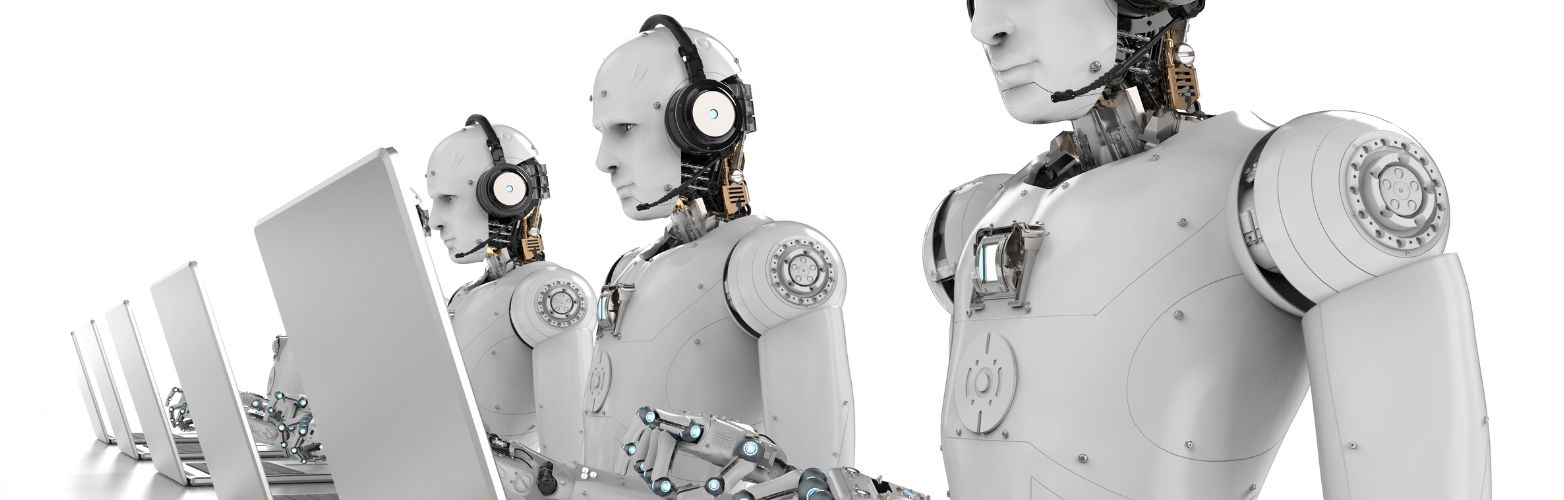
AI-powered chatbots and virtual assistants have set new standards for customer service:
- 24/7 availability: Chatbots handle basic queries like order tracking and return policies instantly.
- Multilingual support: Natural Language Processing (NLP) advancements enable bots to provide seamless assistance in multiple languages.
- Emotional AI: Emerging tools assess a customer’s sentiment and adjust responses accordingly to improve satisfaction.
Practical use: Magento store owners leveraging AI bots observed a 40% reduction in customer service costs.
4. Dynamic Pricing Models
Dynamic pricing, powered by AI, analyzes competitor pricing, market demand, and consumer behavior to adjust prices in real time. This ensures businesses remain competitive without compromising profitability.
Stat spotlight: Retailers employing AI-driven pricing saw an average sales growth of 10% during peak seasons.
5. Content Creation and Optimization
AI tools like ChatGPT and Jasper have streamlined the creation of:
- Product descriptions tailored for SEO.
- Blog posts optimized to answer user intent.
- Meta descriptions and headlines designed to boost CTR.
Example: An online store utilizing AI for SEO content saw a 15% improvement in organic traffic within six months.
6. Fraud Detection and Prevention
AI’s ability to analyze vast datasets has made online transactions more secure by:
- Detecting suspicious patterns in purchase behavior.
- Preventing chargebacks through real-time fraud alerts.
Highlight: Payment processors using AI fraud detection reported a 50% decrease in fraudulent transactions.
7. Visual Search and Augmented Reality
With the rise of visual search, customers can now upload images to find similar products instantly. Augmented reality (AR) takes this further by allowing users to:
- Visualize products in their space (e.g., furniture).
- Try on apparel virtually before purchase.
Example: Retailers using AR tools reported a 25% boost in conversion rates, particularly in the fashion and home décor sectors.
8. AI in Advertising
AI has reshaped e-commerce advertising with:
- Automated ad campaigns: AI platforms create, test, and optimize ads across Google, Facebook, and other platforms.
- Predictive targeting: AI ensures ads reach the right audience based on predictive analytics.
Outcome: Dropshippers who integrated AI-powered ad tools reduced wasted ad spend by 30%.
Looking Ahead: AI in Ecommerce in 2025
The developments in 2024 are just the beginning. As AI technology evolves, we can expect:
- Wider adoption of generative AI for creative tasks.
- Enhanced focus on sustainability, with AI optimizing supply chains to reduce waste.
- A stronger emphasis on AI ethics and transparency in customer interactions.
Experience Seamless E-commerce with 5MS
- By Andrea Perez