
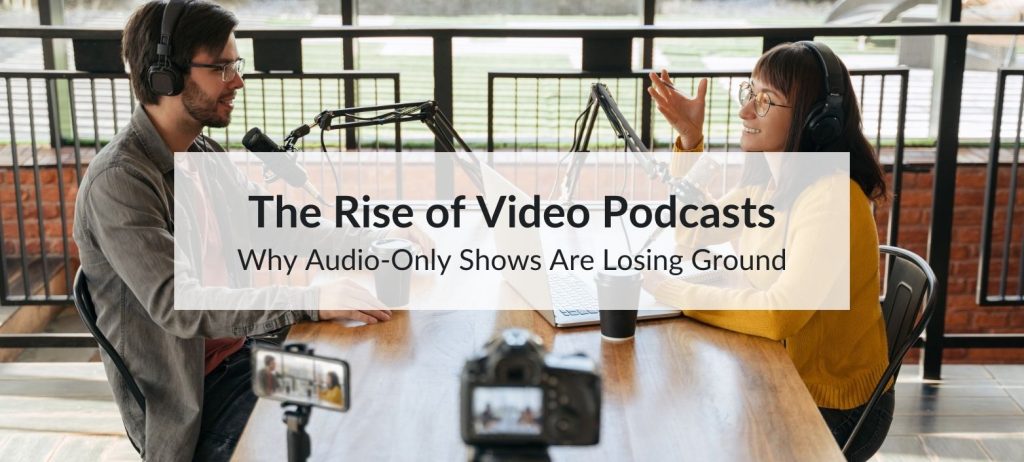
Podcasting has been on the rise since the beginning of 2019 and is evolving fast. Once audio-only, the medium is now being reshaped by video-first approaches or video podcasts, driven by platforms, creators, and audiences embracing the added value of visuals.
1. Rapid Growth: Video Podcasts in Numbers
- Usage on the rise: In the U.S., 40% of podcast consumers now watch video podcast content, up 12 percentage points since 2022.
- Production surge: Globally, video podcast production has grown 64% over the past three years; video formats now make up 36% of all podcasts in 2025 (vs. just 18% in 2020).
- Spotify-specific growth:
- Over 250,000 video podcasts now exist on Spotify up from 100,000 in 2023.
- 170 million people have watched a video podcast there. Nearly 70% of creators are actively publishing video monthly, a year-over-year growth of 70%. And on Spotify, nearly 1 in 3 U.S. users engage; globally, it’s nearly 1 in 4.
These numbers reflect an unmistakable trend: video podcasts are no longer emerging they’re actually mainstream.
2. Why Viewers Prefer Video

- Engagement advantage: On YouTube, it boast an 87% ad completion rate, compared to just 28% for audio-only shows.
- Platform dominance: YouTube now hosts over 1 billion monthly viewers of podcasts and thickens its lead over Spotify and Apple. Podcast consumers are increasingly watching rather than listening.
- Demographic pull: Among 15–29-year-olds, 30% mostly watch video podcasts and an additional 22% consume them equally with audio. And audio‑visual content resonates, especially with Gen Z audiences.
Clearly, video helps creators connect more powerfully via visuals, body language, and expressive cues and boost discoverability, especially on social platforms.
3. Industry Momentum & Platform Strategy
- Streaming services are pivoting: Netflix is quietly hiring an executive to lead video podcasting efforts, signaling its intent to compete with YouTube in this space.
- Hollywood opportunities: Video podcasting is opening new revenue streams, with expected digital video ad spend reaching $108 billion in 2025, compared to just $2.5 billion for audio podcasts.
- YouTube’s continued dominance: It’s the top podcast destination, especially for younger audiences drawn to visual formats.
We’re seeing the formation of a video podcast ecosystem complete with Hollywood production, streaming platform interest, and industry-scale ad budgets.
4. How Creators Can Adapt
If you’re producing audio-only podcasts, here’s how to shift tactically without losing your voice:
- Add video: A basic webcam setup or smartphone recording is enough to start with.
- Clip content for social: Short highlight reels (TikTok, Instagram Reels, LinkedIn) can dramatically improve reach and user engagement.
- Elevate ad performance: Videos keep eyes on the content video podcasts get significantly higher ad retention.
- Think platform-first strategy: Design episodes that can live on YouTube, Spotify, or even streaming services in the future.
5. Multi-Platform Podcasting Becomes the Rule
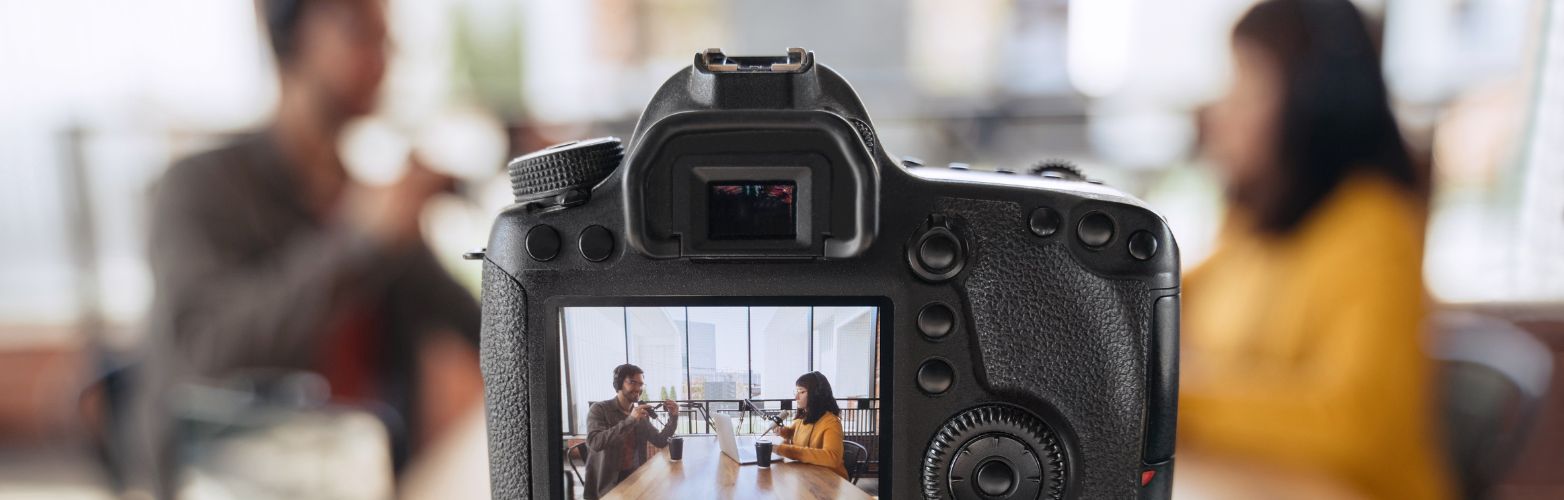
The future lies in integrated, multi-format content podcasts that are:
- Video-first with audio as a portable spin-off.
- Clippable into short-form social media hits.
- Interior to multiple revenue streams ads, sponsorships, merch, live events, and licensing.
Final Word
Audio podcasts still have their place especially for on-the-go listeners. But given the shift in audience preferences, platform support, and monetisation opportunities, creators who adapt to include video are positioning themselves for greater reach, revenue, and longevity.
Professional Magento Services That Power Your Store
- By Andrea Perez